How to Choose Between Dune Buggy, Quad Biking, and Desert Safari in Dubai
Understanding Your Options for Desert Adventures in Mankhool
Dubai's desert landscape offers several ways to experience its dunes, from self-driven vehicles to guided tours. Choosing the right activity depends on your group, your comfort with driving on sand, and the time of day you prefer. This article covers the main types of desert experiences available to visitors and residents in the Mankhool area, with practical advice on how to pick the one that suits you best.
Desert adventures generally fall into three categories: dune buggy rides, quad biking, and desert safaris (which can be morning or evening). Each has its own character, skill requirements, and ideal conditions. Below we walk through the key considerations for each, step by step.
Step 1: Decide What Kind of Experience You Want
The first step is to understand the basic differences between the three main options. A dune buggy is a small, open vehicle designed for one or two people. It has a steering wheel, pedals, and a seatbelt, much like a car, but it is built to handle soft sand and steep dunes. Quad biking involves a four-wheeled all-terrain vehicle (ATV) that you straddle like a motorcycle. It is more physically demanding because you shift your weight to steer. A desert safari is usually a guided tour in a larger 4×4 vehicle, often with a professional driver who handles the dunes while you hold on. Some safaris also include activities like camel rides, sandboarding, or dinner in a camp.
If you want to drive yourself and have never been on sand before, a dune buggy is often the easiest to control. If you enjoy a more active, hands-on feel, quad biking can be very rewarding. If you prefer to sit back and watch the scenery while someone else does the driving, a desert safari is the better choice. Think about who is in your group. Children, older adults, or anyone with back or neck issues may find a bumpy safari ride uncomfortable. Dune buggies and quad bikes typically have minimum age and height requirements, so check with the operator before booking.
Step 2: Choose Between Morning and Evening
Both morning and evening desert safaris are popular, but they offer very different experiences. A morning safari usually starts early, just after sunrise. The air is cooler, the light is soft, and the dunes are less crowded. You will see the desert waking up, and you may spot wildlife such as gazelles or desert foxes. The downside is that you need to be up and ready very early, and the activities are usually shorter, often around three to four hours including pickup and drop-off.
An evening safari typically begins in the late afternoon and continues into the night. You get to watch the sunset over the dunes, which is a stunning sight. Many evening safaris include a barbecue dinner, cultural performances such as belly dancing or Tanoura shows, and stargazing. They tend to be longer and more social, making them a good option for families or groups who want a full evening out. However, the heat can still be intense in the first part of the trip, especially in summer. Also, evening safaris are more popular, so the dunes can be busier.
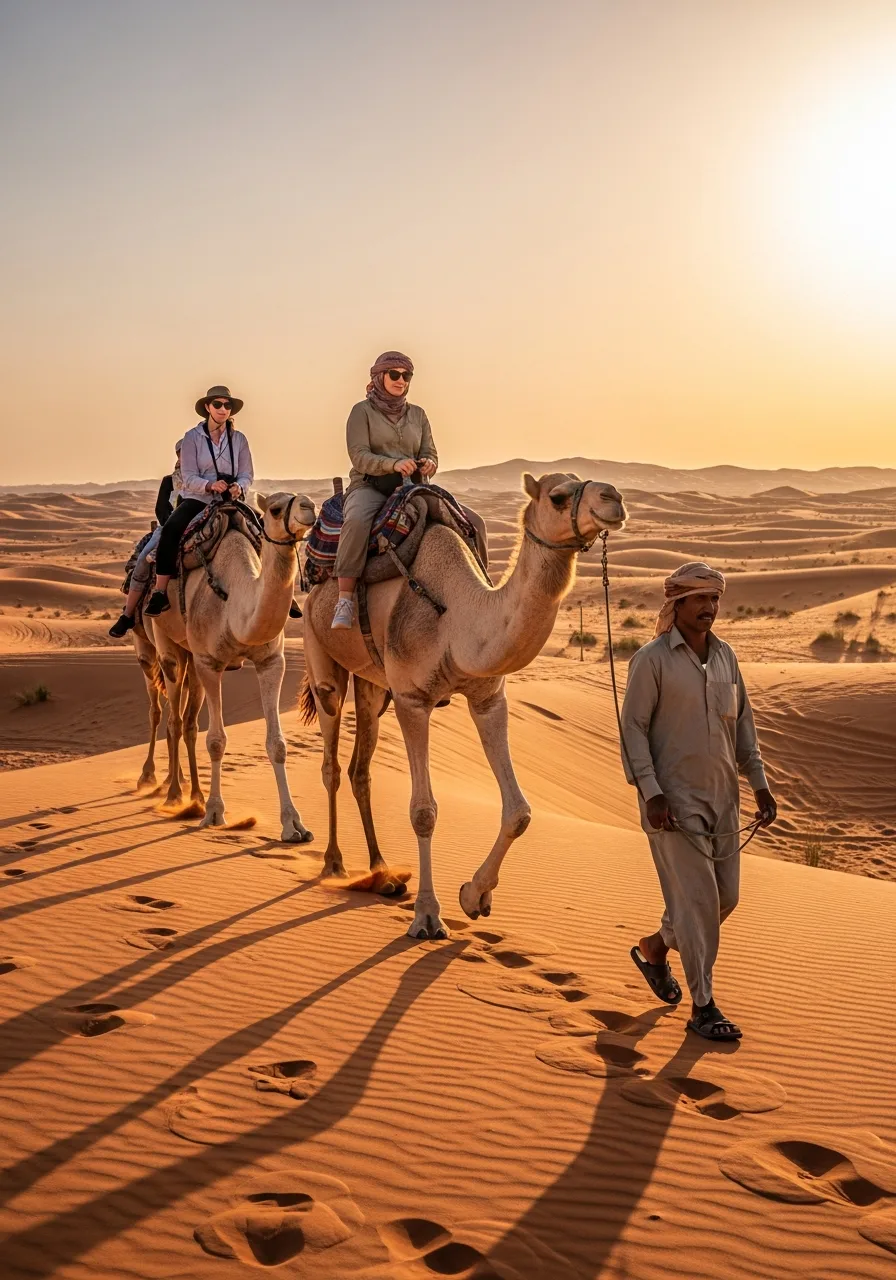
One local option is Dune Buggy Dubai | Quad Biking Dubai | Morning and Evening Desert Safari Dubai. They operate from M Square Office Tower in Mankhool and can be reached at +971 52 440 9525. It is always wise to confirm the exact schedule, vehicle types, and any age or health restrictions with whichever company you choose.
Step 3: Assess Your Driving Skills and Comfort Level
Driving on sand is very different from driving on paved roads. Sand shifts under your wheels, and dunes have blind crests that can surprise you. If you have never driven off-road, a guided tour is strongly recommended. Even experienced drivers should start on flat, open areas before attempting larger dunes. Quad biking requires you to shift your weight forward when going uphill and backward when descending, and you need to lean into turns. Dune buggies are more stable because of their lower centre of gravity and wider wheelbase, but they can still tip over if you turn too sharply or hit a dune at the wrong angle.
If you are a nervous driver or are renting a vehicle for the first time, ask the operator about their training and safety briefing. Most reputable companies give a short lesson before you head out. They will show you how to use the controls, how to signal to others, and what to do if you get stuck in soft sand. Always listen carefully and ask questions if anything is unclear.
Step 4: Consider Your Group Size and Preferences
If you are travelling with a group, you need to find an activity that everyone can enjoy together. Dune buggies usually seat one or two people, so a group of six would need three buggies. Quad bikes are single-rider vehicles, so each person rides their own. Desert safaris use larger vehicles that can carry six to ten passengers, so everyone can ride together. This makes safaris a good choice for families with young children or for groups where some members do not want to drive.
Some companies offer combination packages where you can ride a dune buggy or quad bike during the safari. This gives you the best of both worlds: the thrill of driving yourself on the dunes, plus the guided tour and evening entertainment. If such a package is available, it can be a good compromise for mixed-ability groups.
Step 5: Check Practical Details Before Booking
Once you have narrowed down your choice, there are a few practical matters to verify. The first is the duration of the experience. Some quad biking sessions last only 30 minutes, while others run for an hour or more. Dune buggy rides can be similar. Desert safaris usually last four to six hours, including transport to and from the dunes. Make sure the timing fits your schedule, especially if you have other plans.
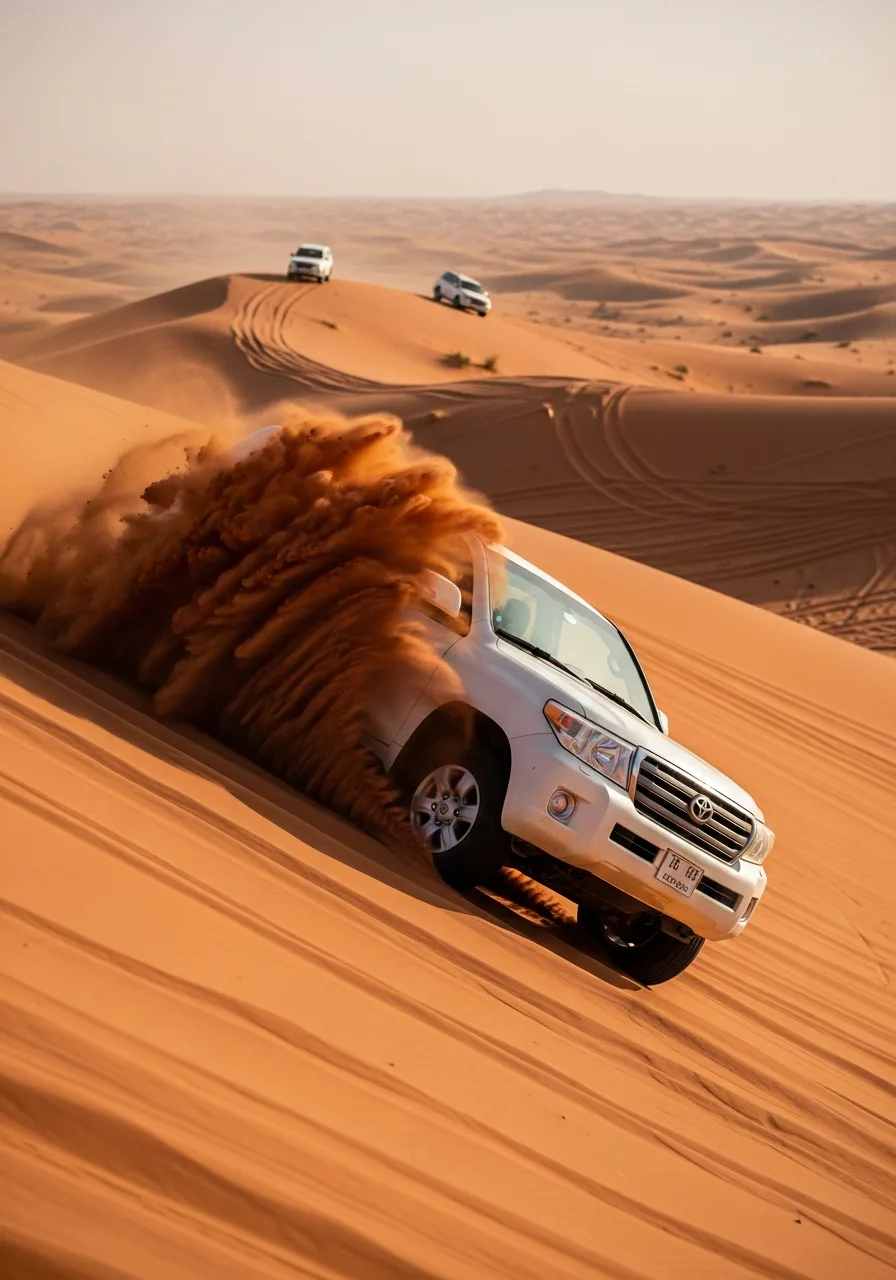
Another important factor is what is included. Some packages provide all necessary safety gear, helmets, goggles, gloves, while others charge extra. Check whether water or snacks are provided, especially for morning trips when you may not have had breakfast. For evening safaris, confirm whether dinner is included and what type of food is served. Many camps offer vegetarian options, but it is worth asking ahead if you have dietary restrictions.
Finally, ask about the cancellation policy. Desert activities can be affected by weather, particularly during the summer months when sandstorms or extreme heat may force cancellations. A flexible policy gives you peace of mind.
Step 6: Know What to Wear and Bring
Your clothing can make or break the experience. Light, breathable fabrics are best, especially in the heat. Long sleeves and trousers protect your skin from the sun and from sand that kicks up during the ride. Closed-toe shoes are essential, sandals or flip-flops will not protect your feet and can slip off the pedals. Sunglasses and a hat help shield your face from glare and flying sand. If you wear prescription glasses, consider bringing a strap to keep them secure.
Bring a small backpack with water, sunscreen, and a scarf or bandana to cover your mouth and nose if the sand gets thick. A camera or phone with a strap is useful, but be aware that sand can damage electronics, so a protective case is wise. For evening safaris, a light jacket or sweater is helpful once the sun goes down, as the desert can become surprisingly cool.
Step 7: Prepare for the Physical Demands
Quad biking and dune buggy riding require some physical effort. You will grip the handles or steering wheel tightly, and your arms, shoulders, and core will work to keep you stable over bumps. If you have any existing injuries or conditions, check with a doctor before participating. Quad biking in particular can be strenuous on the lower back and knees. Most operators ask you to sign a waiver acknowledging the risks, so read it carefully.
If you are prone to motion sickness, a desert safari in a 4×4 can be very bumpy. The driver may intentionally slide down dunes or drive at angles that can disorient you. Sitting in the middle of the vehicle and keeping your eyes on the horizon can help. For self-driven vehicles, you control the speed and can take it at your own pace, which reduces the risk of nausea.

Step 8: Respect the Environment
The desert ecosystem is fragile. Stick to designated tracks and avoid driving over vegetation or wildlife. Do not leave any rubbish behind, and never take sand, rocks, or plants as souvenirs. Many operators follow sustainable tourism practices and will brief you on how to minimise your impact. Following these guidelines helps preserve the desert for future visitors and protects the animals that live there.
If you are planning a trip to the Mankhool area and want a reliable desert adventure, one option is Dune Buggy Dubai | Quad Biking Dubai | Morning and Evening Desert Safari Dubai. They are based at M Square Office Tower - Khalid Bin Al Waleed Rd - Mankhool - Dubai - United Arab Emirates and can be contacted on +971 52 440 9525. As with any activity, it is a good idea to confirm the details directly with them before you go.
Dune Buggy Dubai | Quad Biking Dubai | Morning and Evening Desert Safari Dubai is also on Instagram.